

You vacuumed yesterday. Somehow, there’s already enough dog hair on the floor to build another dog.
If that sounds familiar, fall may be arriving at your house in the form of fur. Heavier shedding is a normal part of the seasonal change for many dogs as their coat adjusts for cooler weather.
But how do you know when all that shedding is simply seasonal — and when it’s worth paying closer attention?
Here’s what’s happening underneath all that fluff, plus a few simple ways to support your dog’s skin and coat through the change.
Why Do Dogs Shed More in the Fall?
For many dogs, changes in daylight and temperature help signal a seasonal coat transition. As fall arrives, they shed lighter summer hair while a denser coat grows in for colder weather.[1]
This is especially noticeable in double-coated dogs, which have a protective outer coat and a softer insulating undercoat. That undercoat can come loose in much larger amounts during seasonal changes.[2]
Golden Retrievers, Labrador Retrievers, German Shepherds, Huskies, Border Collies, and many other breeds have double coats, although shedding patterns vary from dog to dog.
And if your dog seems to shed year-round, that can be normal, too. Indoor dogs may have less distinct shedding seasons because artificial light and climate-controlled temperatures can influence their natural coat cycle.
What Does Normal Fall Shedding Look Like?
There isn’t one universal amount of fur that counts as “normal.” Your dog’s breed, coat type, environment, age, and individual shedding pattern all matter.
During a normal seasonal coat change, you may notice:
-
More loose hair around your home and on bedding
-
More fur coming out during brushing
-
Tufts of soft undercoat loosening in double-coated dogs
-
Heavier shedding that gradually tapers off over time
-
Healthy-looking skin underneath the coat
-
No unusual bald or noticeably thinning patches
What Does “Blowing Their Coat” Mean?
If someone says their dog is “blowing their coat,” they’re talking about an especially heavy seasonal shed.
Rather than losing roughly the same amount of hair every day, a large portion of the undercoat begins coming loose over a relatively short period. You may notice tufts you can practically pull out with your fingers or a brush that seems full after only a few passes.
It’s messy. It’s impressive. And for many double-coated dogs, it’s completely normal.
When Is Heavy Shedding Worth Paying Attention To?
Seasonal shedding and unusual hair loss aren’t quite the same thing.
If your dog is simply leaving more fur behind while their skin looks normal and they otherwise seem like themselves, a seasonal coat change may be the explanation.
It’s worth checking with your veterinarian, however, if increased shedding comes with bald or noticeably thinning areas, red or irritated skin, sores or lesions, significant scratching or licking, changes in the texture or appearance of the coat, or other changes in your dog’s health or behavior.[3]
How Can You Help Your Dog Through Fall Shedding?
You can’t — and shouldn’t try to — stop healthy seasonal shedding. The goal is to make the coat change easier to manage while continuing to support healthy skin and coat from the outside and inside.
1. Give the Brush a Little More Work
Regular brushing helps remove loose hair before it ends up on your clothes, couch, and everywhere else.
During a heavy seasonal shed, your dog may need more frequent brushing than usual. The right tool and routine depend on their coat type, so what works for a short-haired dog may not work for a dense double coat.
For especially heavy coats, a professional groomer can help.
2. Don’t Forget What’s Happening Under the Fur
When fur is everywhere, it’s easy to focus on getting it off your dog. But healthy skin and coat also depend on what’s happening underneath.
Along with regular grooming, balanced nutrition provides the protein, fats, vitamins, minerals, and other nutrients dogs need to maintain healthy skin and hair.[4]
Good nutrition won’t stop normal seasonal shedding. Instead, it helps support healthy skin and coat through the seasonal change.
3. Give Skin & Coat Some Daily Support
Fall can bring several changes at once. Your dog’s coat is transitioning, outdoor conditions are changing, and seasonal triggers may be changing along with them.
Alongside grooming and a balanced diet, daily skin and coat support can help maintain healthy skin, coat shine, and seasonal comfort.
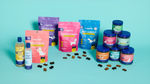
PupGrade Itch & Allergy is designed to support skin and coat from the inside out, including through the gut-immune connection. It's clinically studied postbiotics help support immune function and a balanced gut microbiome as part of that approach.*
For dogs already taking Daily Multi, it can provide broader everyday nutritional support alongside that more targeted skin and coat routine.*
One Last Thing About All That Fur
A changing coat is one of those seasonal reminders that your dog’s needs can shift right along with the weather.
You may not be able to keep the fur off the couch, but you can keep giving their skin and coat the daily support they need through the change.
If you want to make that support part of their fall routine, use code BLOG10 for 10% off your PupGrade order.

FAQs About Fall Shedding in Dogs
Do dogs shed more in the fall?
Many dogs do. Dogs that shed seasonally commonly have heavier shedding periods in spring and fall. During fall, lighter summer hair is shed as the coat transitions for colder weather.
How long does fall shedding last in dogs?
There’s no exact timeline for every dog. Seasonal shedding can last from several weeks to a couple of months, depending on factors such as breed, coat type, temperature, daylight, and environment.
Should I be worried if my dog is shedding a lot?
Not necessarily. Heavy shedding can be normal during a seasonal coat change. Talk with your veterinarian if the shedding is unusual for your dog or is accompanied by bald spots, irritated skin, significant itching, lesions, or other changes in their health or behavior.
Can nutrition affect my dog’s skin and coat?
Yes. A balanced diet that provides adequate protein, fats, vitamins, minerals, and energy helps maintain healthy skin and hair.
This content is for informational purposes only and is not intended to replace professional veterinary advice. Always consult your veterinarian before introducing new supplements or changes to your dog's routine.
*These statements have not been evaluated by the Food and Drug Administration. This product is not intended to diagnose, treat, cure, or prevent any disease.
References:
-
American Kennel Club Staff. (n.d.). Dog shedding: What to expect and how to manage it. American Kennel Club. View source
Supports: fall/spring shedding, daylight and temperature triggers, coat transition, grooming frequency, and the shedding-duration FAQ. -
Barnes, C., Llera, R., Hunter, T., & Yuill, C. (2026, January 30). Grooming and coat care for your dog. VCA Animal Hospitals. View source
Supports: double coats, undercoat shedding in fall, seasonal shedding patterns, and regular brushing. -
PetMD Editorial. (2023, November 16). Why is my dog shedding so much? PetMD. View source
Supports: what normal shedding looks like versus signs worth discussing with a veterinarian, including hair loss, skin abnormalities, and excessive itching. The article was reviewed by Barri J. Morrison, DVM. -
Weir, M., Llera, R., Hunter, T., & Yuill, C. (2026, March 31). Coat and skin appearance in the healthy dog. VCA Animal Hospitals. View source





Comments (0)