

Dogs do lots of quirky things, from chasing their tails to barking at the vacuum, and yes, even licking their paws. When done occasionally, paw-licking or light biting can be a normal and healthy part of their grooming routine. However, if you’ve noticed the licking is almost non-stop, it may be worth taking a closer look at your dog’s routine and daily habits.
In this blog, we’ll walk through common reasons behind paw-licking behaviors and help you understand what’s typical versus what may be worth monitoring more closely. We’ll also share easy, at-home ideas that can help support your pup’s comfort during seasonal changes.
The Main Reasons Dogs Lick Their Paws
Even though dogs don’t groom as thoroughly as cats, grooming behaviors are woven into their nature, even in puppies as young as a few weeks old.
Just as a dog's fur gets dirty and needs regular grooming, so do their paws. In general, it’s normal for dogs to groom themselves for a few minutes throughout the day.
Healthy self-grooming behaviors typically include the following:
•Licking: Dogs commonly lick themselves to clean fur, maintain skin comfort, or remove debris. Areas like paws, genitals, and legs are often the focus.
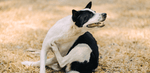
•Scratching: Occasional scratching with hind legs is normal, especially around the ears or neck. It can help remove loose fur or respond to everyday sensations.
•Chewing or nibbling: Some dogs gently chew at their legs or tails to remove mats or minor debris like grass seeds or buildup on the coat.
However, if you’re noticing frequent or persistent patterns of licking, scratching, and chewing, or visible changes in your dog’s routine or appearance, this may be a sign your dog could benefit from additional care or a closer look.

Seasonal Factors, Skin Comfort & Behavior
Licking and scratching can be influenced by a variety of everyday factors—some physical, some behavioral. Here are some of the most common contributors to more noticeable paw-focused behaviors:
|
Cause: |
Triggers: |
Common Behaviors: |
When to Monitor: |
|
Seasonal Factors |
Pollen, grass, environmental exposure |
Increased paw attention, face rubbing, seasonal changes in behavior |
During certain times of year or after outdoor activity |
|
Skin Comfort |
Moisture, minor surface irritations, hygiene |
Paw focus, subtle changes in appearance |
Sudden changes or increasing frequency |
|
Behavior / Boredom |
Being alone, lack of stimulation |
Licking at night, pacing, chewing |
When behavior seems unrelated to environment |
Once you’ve noticed your dog is frequently licking, scratching, or chewing, it may be a good time to check in with your veterinarian to better understand their individual needs.

What Triggers the Itch: How Seasonal Shifts Affect Sensitive Dogs
Seasonal changes are among the most common reasons dogs may focus more on their paws, especially when grasses are present and pollen levels rise.
When dogs encounter certain environmental factors, their bodies may respond with temporary skin sensitivity. As a result, dogs may lick or chew at their paws, skin folds, or other areas more often.
Certain breeds may be more prone to this type of sensitivity, including:
•Bulldogs
•Labradors
•Terriers
Not quite sure if it’s seasonal? Try keeping a diary of behaviors and environmental changes. When pet parents notice patterns, they may choose to schedule a vet appointment or offer seasonal support.

Home Care & Daily Support for Paw Comfort
Not every situation requires a vet visit, but there are simple ways to help support your pup’s comfort during seasonal changes. If your dog’s routine seems consistent, you can incorporate easy at-home habits to help maintain daily comfort.
Try implementing these ideas into your dog’s routine:
Paw Patrol: 4 Quick Methods You Can Do at Home
- Wipe paws after walks to remove pollen and environmental debris.
- Use paw balms to help maintain moisture and protect paw pads.
- Rinse your dog's paws with a gentle solution of water and apple cider vinegar (avoid broken skin).
- Epsom salt soaks can be used to help keep paws clean and refreshed.
Mindful Internal Support: Itch & Allergy Soft Chews
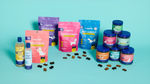
These drool-worthy Itch & Allergy Soft Chews are formulated with ingredients like Postbiotics, Salmon Oil, and Colostrum to help support normal skin function and seasonal wellness.*
What’s Inside Every Bite:
-
Postbiotics to help support immune system function and normal gut function*
-
Colostrum and Turmeric to help support normal skin health*
-
Salmon Oil to help maintain normal skin moisture and coat condition*
-
Delicious beef flavor dogs love
Supplement Add-Ons for Daily Wellness
-
Digestive Soft Chews: A gentle formula with a probiotic enzyme blend to help support digestive function and daily wellness.*
-
Skin & Coat Soft Chews: Formulated with omega-3 fatty acids and cod liver oil to help support healthy skin and coat condition.*
Supporting Your Dog's Comfort Year-Round
Licking and scratching aren’t always bad, and oftentimes, it’s just part of normal dog behavior. But if you’re consistently noticing increased licking or chewing, it may be worth paying closer attention.
Being proactive is the best way to support your pup’s comfort and well-being throughout the year. Start by tracking their grooming behaviors and watching for changes like increased paw attention or licking after being outside.
Catching these signs early can help you decide when to try at-home care, nutritional support, or when it might be time for a vet visit.
Ready to support your dog’s skin comfort and seasonal wellness? Explore our bestselling Itch & Allergy Soft Chews and see how PupGrade supports daily wellness routines for dogs of all ages.
Use code BLOG10 for 10% savings on your first order!

This content is for informational purposes only and is not intended to replace professional veterinary advice. Always consult your veterinarian before introducing new supplements or changes to your dog’s routine.


Comments (0)