

Is your dog dragging their paws this summer? With hotter days, more outdoor play, and surprise changes to routine, even the most energetic pups can feel off. But the secret to keeping the pep in their step all season long might just start in their belly. So let’s explore the gut and learn how to support it throughout the business of summer.
Gut Health & Summer Energy: What’s the Connection?
You’ve probably heard that “health starts in the gut,” and that’s just as true for dogs as it is for humans. But what does gut health really have to do with your dog’s ability to run, jump, and play when summer is in full swing?
During summer, dogs face stressors like:
-
Food changes (scraps, travel)
-
Seasonal allergens
-
Heat
-
Increased activity
-
Fireworks
-
Separation anxiety when left with a sitter during vacation
These versions of stress can take a toll on your dog's system, disrupting the delicate balance in their microbiome.[1] You can think of the gut as your dog’s power supply—it’s not just responsible for digesting food, and if turned off, it can affect the function of the following areas:[2,3,4]
-
Absorbing key nutrients like omega-3s and amino acids
-
Managing inflammation that can affect joints and muscles
-
Regulating energy metabolism for daily zoomies and adventures
-
Strengthening the immune system to fight against everyday bacteria and infection

The Big Benefits of a Healthy Gut for Summer Fun
No dog parent wants to deal with an out-of-whack gut when there are so many adventures to be had with their best friend.
Here are five ways that optimizing your dog’s digestive system can increase their comfort, happiness, and overall health—not just for summer but all year long:
1. Better Nutrient Absorption & Energy
You could be feeding your dog the most well-rounded diet, but they will only be able to get the full benefits from each bite if they have a healthy gut. In a healthy gut, partially digested food travels from the stomach to the small intestine, where nutrients are absorbed and then enter the bloodstream to be utilized throughout the rest of the body.
A well-nourished dog is an energized one — and that energy is what fuels everything from morning walks to afternoon zoomies.[5]
2. Comfortable Joints
A healthy gut lining helps keep the body's systems running as they should — including supporting a normal inflammatory response. For active dogs, that can make a noticeable difference in how they move and feel after a long day of summer adventures.[6]
3. Stronger Immunity = Less Downtime
The gut houses about 70% of your dog’s immune system, so improving gut health is a step towards promoting a strong and diverse microbiome that can help support a healthy immune system and digestive balance. There’s no time to put playtime on the back burner.[7]
4. Healthier Skin & Coat
The gut and immune system are closely connected, and that connection often shows up on the skin. When the gut microbiome is balanced, the body is better equipped to regulate its immune response — which for many dogs means feeling more comfortable during seasonal changes and maintaining a healthy, shiny coat.[4]
5. Gut-Brain Axis = Mood Boost
Did you know that the gut and brain communicate with each other? This means that the health of the digestive system can influence brain function and vice versa.
Most of a dog’s serotonin is produced in the Gastrointestinal tract (GI tract), so in an optimized gut, serotonin production is supported, which may contribute to a relaxed, focused pup—even during stressful seasonal events like travel or fireworks.[8]

How PupGrade Supports a Healthy Gut—Inside & Out
At PupGrade, we know that real health starts within. And that shapes how we formulate every product, with one goal in mind: supporting active, happy dogs all summer long.
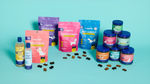
Our Itch & Allergy Soft Chews are formulated around the gut-immune-skin connection. Rather than just addressing what's visible on the surface, the formula works from the inside out. Anchored by a clinically studied immune postbiotic to support balanced immune function and gut microbiome diversity, it can help dogs feel more comfortable during seasonal changes.*
Our Digestive Support Soft Chews are formulated to support proper digestion and bowel health, with pumpkin powder and a blend of probiotics to support regularity and a healthy gut microbiome.*
Together, they cover the gut from two angles — immune and digestive — for a foundation that supports your dog all summer long and beyond.*
Common Questions About Gut Health & Supplements
What are the signs of poor gut health in dogs?
Digestive issues, reduced appetite, weight gain or loss, bloating or gas, skin problems, lethargy and fatigue.
Can improving my dog's gut health help with seasonal skin issues?
It may. Research into the gut-immune-skin connection suggests that a balanced gut microbiome can help support a healthy immune response, which in turn may influence how the body responds to seasonal changes — including how it shows up on the skin.*
What's the best time to give my dog their itch & allergy or digestive supplement?
We recommend giving them with a meal to help absorption and minimize any risk of an upset stomach.
My dog has a sensitive stomach. Are PupGrade's soft chews gentle?
Yes. All of our supplements are crafted with high-quality ingredients that are easy to digest, designed for even the most sensitive tummies.
How soon can I expect to see results?
While some dogs feel improvements in just a week, most see noticeable changes in mood, digestion, and overall wellness within 4 weeks of consistent use.

The Bounce-Back Begins in the Belly
Whether your pup is a senior starting to slow down or a ball-chaser with boundless energy, giving their gut the support it needs can make all the difference.
Our best-selling soft chews are crafted with love, backed by science, and trusted by thousands of pet parents who want their dogs to live full, mobile lives—this summer and beyond.
Explore PupGrade’s wide range of products here!
We've gone ahead and enclosed a 10% OFF Coupon below for you to use in the store - remember, your puppy DESERVES to have the healthiest life! Click here to start shopping!

----
This information is intended for general purposes only and should not be considered medical advice. Always consult with your veterinarian before making any changes to your dog's diet or health routine, especially if you notice persistent or concerning changes in your dog's health or behavior.
*These statements have not been evaluated by the Food and Drug Administration. These products are not intended to diagnose, treat, cure, or prevent any disease.
Resources:
-
Gué, M., Peeters, T., Depoortere, I., Vantrappen, G., & Buéno, L. (1989). Stress-induced changes in gastric emptying, postprandial motility, and plasma gut hormone levels in dogs. Gastroenterology, 97(5), 1101–1107. https://doi.org/10.1016/0016-5085(89)91678-8
-
Pilla, R., & Suchodolski, J. S. (2021). The gut microbiome of dogs and cats, and the influence of Diet. Veterinary Clinics of North America: Small Animal Practice, 51(3), 605–621. https://doi.org/10.1016/j.cvsm.2021.01.002
-
Zeng, M. Y., Inohara, N., & Nuñez, G. (2017). Mechanisms of inflammation-driven bacterial dysbiosis in the gut. Mucosal Immunology, 10(1), 18–26. https://doi.org/10.1038/mi.2016.75
-
Yang, Q., & Wu, Z. (2023). Gut Probiotics and Health of Dogs and Cats: Benefits, Applications, and Underlying Mechanisms. Microorganisms, 11(10), 2452. https://doi.org/10.3390/microorganisms11102452
-
He, W., Connolly, E. D., & Wu, G. (2024). Characteristics of the Digestive Tract of Dogs and Cats. Advances in experimental medicine and biology, 1446, 15–38. https://doi.org/10.1007/978-3-031-54192-6_2
-
Clemente, J. C., Manasson, J., & Scher, J. U. (2018). The role of the gut microbiome in systemic inflammatory disease. BMJ. https://doi.org/10.1136/bmj.j5145
-
Wiertsema, S. P., van Bergenhenegouwen, J., Garssen, J., & Knippels, L. M. J. (2021). The Interplay between the Gut Microbiome and the Immune System in the Context of Infectious Diseases throughout Life and the Role of Nutrition in Optimizing Treatment Strategies. Nutrients, 13(3), 886. https://doi.org/10.3390/nu13030886
-
Chiocchetti, R., Galiazzo, G., Giancola, F., Tagliavia, C., Bernardini, C., Forni, M., & Pietra, M. (2022). Localization of the serotonin transporter in the dog intestine and comparison to the rat and human intestines. Frontiers in Veterinary Science, 8. https://doi.org/10.3389/fvets.2021.802479




Comments (0)