

Spring tends to shift everything—longer days, more time outside, and a noticeable change in your dog’s routine.
And with that, you may start to notice a few small differences.
A little more grooming after walks.
A coat that feels slightly different.
Subtle changes that are easy to notice, but harder to explain.
In most cases, these shifts are completely normal. They’re not random—they’re your dog adjusting to a new spring environment.

Why Spring Impacts Your Dog’s Skin & Coat
Spring changes your dog’s environmental exposure all at once:
-
More pollen and plant particles
-
More contact with outdoor surfaces
-
Shifts in temperature and humidity
-
A natural coat transition
Research shows that environmental factors, including seasonal changes in temperature and humidity, can directly influence the condition and function of the canine skin barrier [1].
At the same time, increased environmental exposure can place greater demand on the systems that maintain your dog’s skin and coat.
The skin acts as a barrier—constantly interacting with the outside environment. During the spring shift, that barrier has to work harder to stay balanced.
Research on omega-3 fatty acids in dogs suggests they may help support normal skin function and coat condition during these transitions [2].
What this means: What you’re seeing on the outside—coat texture, grooming habits, shedding—is often a reflection of how your dog is adapting internally to new spring environmental input.
5 Spring Changes to Watch (and What They Tell You)
1. More Paw Licking After Walks
Paws are your dog’s main point of contact with the environment, collecting everything from spring grass to debris. This is often a surface-level response to increased exposure—not just a random habit.
2. Coat Feels Slightly Different
You may notice dryness or a change in texture when petting them. Skin is one of the first places environmental and nutritional shifts show up [2,3].
3. Seasonal Shedding Increases
As temperatures rise, dogs shed their winter coat. Shedding helps regulate coat density as the environment changes—it’s part of the spring adjustment process.
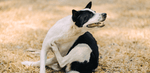
4. More Grooming or Shaking After Being Outside
Some dogs become more aware of their coat after outdoor time. Increased exposure to spring pollen and particles can heighten sensitivity to what’s sitting on the skin or coat.
5. The Same Pattern Every Year
If this feels familiar, it likely is. Seasonal changes are cyclical—your dog’s body recognizes and prepares for the spring shift over time.

What Helps Support Skin & Coat Through Spring Changes
Skin and coat health aren’t driven by one factor—they reflect a system.
-
Omega-3s: help maintain normal skin and coat condition*
-
Vitamins & minerals: support skin structure*
-
Gut health: connected to overall wellness*
-
Immune function: supports normal environmental response*
Emerging research also shows diet may influence the skin’s microbiome—linking internal nutrition with external appearance [3].

3 Simple Ways to Support Your Dog This Spring
1. Reset After Walks
Think of this as your dog’s daily “reset” after environmental exposure.
•Wipe paws and underbelly (especially after grass-heavy walks)
•Do a quick once-over brush to remove surface buildup
•Keep entry areas clean to avoid re-exposure indoors
Why it matters: Reducing what sits on the coat helps maintain normal skin condition and keeps small exposures from building up over time.
2. Keep Their Environment Consistent
Spring brings more than fresh air—it brings more particles into your home.
•Wash bedding at least once a week
•Vacuum high-traffic areas and resting spots
•Rotate or clean frequently used blankets
Why it matters: Your dog spends most of their time indoors—so consistency here helps balance everything they pick up outside.
3. Support From Within
What your dog gets daily affects how their skin and coat respond to spring changes.
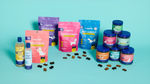
PupGrade Itch & Allergy Soft Chews are formulated to support:
•Normal immune system function*
•Skin and coat wellness*
•Gut microbiome balance*
With ingredients like postbiotics, wild Alaskan salmon oil (a source of omega-3s), and colostrum, they’re designed to support everyday wellness from the inside out.
Why it matters: Skin and coat health reflect internal balance—daily nutritional support helps maintain that consistency as the environment shifts.*
A Note on Grooming
With more time outside, regular bathing helps maintain a clean, fresh coat.
PupGrade’s Complete Care 4-in-1 Shampoo & Conditioner:
-
Gently cleanses without over-drying*
-
Helps maintain coat softness and manageability*
-
Supports a clean, healthy-looking coat between washes*
When to Check With Your Veterinarian
Seasonal changes are common, but it’s always worth checking in if something feels off.
-
Changes that persist
-
Shifts that seem unusual for your dog
-
Anything that concerns you
Support Your Pup Through Every Season
Seasonal changes are part of your dog’s natural rhythm.
With a consistent routine—both inside and out—you can help support their comfort, coat condition, and overall wellness through every transition.
Explore PupGrade’s seasonal wellness favorites designed to support your pup, nose to tail.
Use code BLOG10 for 10% off your order.

This content is for informational purposes only and is not intended to replace professional veterinary advice. Always consult your veterinarian before introducing new supplements or changes to your dog’s routine.
Resources:
-
Lee, E. H., Yoo, D., Lee, J. R., & Kim, J. S. (2025). Age-related evaluation of skin barrier parameters in retrievers. Frontiers in Veterinary Science, 12. https://www.frontiersin.org/journals/veterinary-science/
-
Bauer JE. Therapeutic use of fish oils in companion animals. J Am Vet Med Assoc. 2011 Dec 1;239(11 ):1441-51. doi: 10.2460/javma.239.11.1441. PMID: 22087720. https://pubmed.ncbi.nlm.nih.gov/22087720/
-
Leverett, K., Manjarín, R., Laird, E., Valtierra, D., Santiago-Rodriguez, T. M., Donadelli, R., & Perez-Camargo, G. (2022). Fresh food consumption increases microbiome diversity and promotes changes in bacteria composition on the skin of pet dogs compared to dry foods. Animals, 12(15), 1881. https://doi.org/10.3390/ani12151881


Comments (0)