

Late summer brings a sneaky challenge for dog parents. As kids pack up for school and our own work schedules ramp back up, our fur babies often get hit with sudden quiet hours, shorter walks, and serious late-summer boredom.
If your pup has been staring at you with those deep, guilty eyes or pacing around the living room, you are not alone. The good news? You do not need expensive puzzle toys or hours of free time to turn their mood around. A few evidence-based enrichment games and dog-safe summer treats can make this routine shift smooth, easy, and fun for both of you.
Here is your complete, dog-parent-tested guide to keeping your pup active, calm, and mentally stimulated as summer winds down.
1. Cool Down with Frozen Pumpkin Puree Bites for Digestive Support & Enrichment
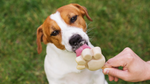
Licking frozen treats does far more than help your dog cool off on a muggy August afternoon. The repetitive licking activity provides a soothing, engaging form of enrichment that can encourage relaxed behavior during routine changes [3].
Plain 100% canned pumpkin puree is also rich in soluble fiber and natural moisture, making it a popular ingredient to support healthy digestion [1].
How to Make Pumpkin Pops
-
Spoon plain pumpkin puree into a silicone mold or ice cube tray.
-
Freeze for 3 hours until solid.
-
Serve one cube after outdoor play as a refreshing cooling treat.
Pawrent Safety Check: Always check your labels carefully. Use 100% pure canned pumpkin, never pumpkin pie mix, which contains added sugars, nutmeg, and spices that are toxic to dogs [5].
2. Swap Fast Leash Distance for a Shaded "Sniffari"
Did you know that 20 minutes of nose work can provide meaningful mental enrichment compared with a fast one-hour leash walk? Dogs process their entire world through their olfactory system, dedicated to over 300 million scent receptors compared to our measly 6 million [6]. Research suggests that allowing dogs to freely sniff can encourage relaxed, engaged behavior and support overall well-being [2].
As late-summer humidity peaks, long physical runs can put your pup at risk for heat strain. A slow, shaded "sniffari" lets them explore fresh neighborhood scents at their own pace without overexertion.
How to Host a Great Sniff Walk
-
Head to a shaded trail, local park, or a new tree-lined street.
-
Put away your phone, use a standard 6-foot leash, and let your dog set the pace.
-
Pause and let them sniff grassy spots for as long as their hearts desire.
Crucial Paw Pad Test: Late-summer asphalt traps heat long after the sun goes down. Press the back of your hand to the pavement for 7 full seconds. If it feels too hot for your skin, it is too hot for your pup's sensitive paw pads [7].
3. Play the "Towel-Roll" Search Game for Free Indoor Enrichment
Canine nose work builds confidence and wards off destructive chewing when high heat keeps you both stuck inside [4]. You do not need to buy fancy plastic puzzles to give your dog high-level brain exercise. You can build a brilliant foraging game using a household bath towel.
Step-by-Step Game Setup
-
Lay a clean bath towel flat on your living room floor.
-
Scatter a small handful of dry kibble or training treats across the fabric.
-
Roll the towel up tightly into a long cylinder.
-
Set it down and tell your dog, "Find it!"
Pro Pawrent Hack: Got a dog who solves puzzles in two seconds flat? Tie the rolled towel into a loose knot before handing it over to double the challenge.
4. Serve High-Hydration Cucumber & Carrot Crunchers
Hydration is critical during hot late-summer afternoons, but traditional packaged treats can add unwanted calories. Water-dense veggies give your dog that crunchy satisfaction they love while keeping them hydrated and lean [1].
|
Dog-Safe Summer Snack |
Core Health Benefit |
Fast Serving Idea |
|
Cucumber Slices |
95% water content for quick hydration [1] |
Serve chilled in thin rounds |
|
Carrot Sticks |
Vitamin A and fiber for healthy digestion [1] |
Freeze whole baby carrots as chew sticks |
|
Fresh Blueberries |
Packed with antioxidants for immune health [8] |
Offer chilled as low-calorie rewards |
Always introduce new produce gradually and cut pieces to fit your dog's mouth size to reduce the risk of choking [5]. Check with your vet first before feeding. Always supervise your dog while they eat, chew, or play.
5. Freeze a Multi-Texture Lick Mat During Back-to-School Routine Changes
When family schedules shift back to work and school, dogs often feel the silence in the house. Prolonged licking provides dogs with a focused task that helps keep them engaged during quiet morning hours [3].
Pup-Approved Spreadable Ingredients
-
Plain, unsweetened Greek yogurt (only for dairy-tolerant pups) [1]
-
Mashed ripe banana
-
Pure 100% pumpkin puree [1]
-
Xylitol-free, single-ingredient peanut butter [5]
Spread a thin layer across a textured silicone mat and freeze for 1 to 2 hours. Freezing makes the licking activity last longer, giving you a window to get out the door for work.
6. Schedule Cooler Sunrise or Sunset Fetch Sessions
Mid-day August and September sun can make fetch dangerous fast. Moving high-energy play to the cool edges of the morning or evening helps reduce the risk of overheating while letting them blow off steam [7].
Rules for Safe Summer Play
-
Keep high-cardio sessions short, around 10 to 15 minutes max.
-
Play only during early morning hours or after sunset.
-
Keep a bowl of cool, clean water right by the play area.
-
Stop play immediately if you see heavy panting, dark-red gums, or excessive drooling [7].
7. Build a 10-Minute "Anchor Routine" for Seasonal Schedule Shifts
Dogs are total creatures of habit. When household routines flip overnight at the end of summer, having a fixed daily routine gives your dog a comforting sense of safety and predictability [9].
A Simple, Repeatable Daily Schedule
-
Morning: A short 10-minute sniff walk, followed by breakfast and fresh water.
-
Mid-Day: A frozen lick mat or towel-roll game to break up long, quiet hours.
-
Evening: A short sunset play session, followed by quiet cuddle time.
Consistency matters far more than doing something huge every day. Spending 10 minutes of focused, distraction-free time together helps your pup feel secure, no matter how hectic your family calendar gets.
Kitchen Ingredients to Never Give Your Dog
When whipping up homemade summer treats or sharing snacks from your counter, keep these toxic human foods away from your dog [5]:
-
Xylitol / Birch Sugar: Frequently hidden in sugar-free peanut butter, yogurt, and baked goods; causes rapid liver failure [5].
-
Grapes and Raisins: Can trigger sudden acute kidney failure in dogs [5].
-
Onions and Garlic: Cause severe damage to canine red blood cells [5].
-
Chocolate and Caffeine: Can cause heart arrhythmias, seizures, and severe distress [5].
-
Macadamia Nuts: Triggers temporary weakness, tremors, and joint stiffness [5].
Frequently Asked Questions About Late-Summer Dog Care
What are the best indoor activities for dogs when it is too hot outside?
Focus on indoor mental exercise rather than physical running. Towel-roll search games, frozen lick mats, basic trick training, and indoor hide-and-seek burn mental energy safely without risking heat exhaustion [4].
Are frozen treats safe for all dogs?
Yes, as long as you use dog-safe ingredients and adjust the size for your dog. For pups with sensitive teeth or dental issues, choose softer options, such as chilled cucumber slices, rather than hard ice blocks [1].
Why is my dog acting restless or needy at the end of summer?
Changes in family routines, such as kids returning to school or owners working longer hours, disrupt a dog's daily routine [9]. Adding consistent daily enrichment games can help keep dogs engaged and encourage calm behavior during this transition [3].
Enjoy the Final Weeks of Summer Together
Keeping your dog happy and relaxed through seasonal changes does not require expensive gadgets or hours of free time. Simple habits like a chilled cucumber snack, a slow evening sniff walk, or a quick towel game provide all the mental and physical stimulation your pup craves.
If you want to support your dog's everyday wellness through every season, consider pairing these fun enrichment habits with PupGrade's daily wellness supplements to help support normal mobility, digestive health, and overall wellness.*
Use code BLOG10 to save 10% OFF your first PupGrade order.

Resources:
-
Sanderson, S. L. (2021). Nutritional requirements and related diseases of small animals. Merck Veterinary Manual. https://www.merckvetmanual.com/management-and-nutrition/nutrition-small-animals/nutritional-requirements-and-related-diseases-of-small-animals
-
Duranton, C., & Horowitz, A. (2019). Let me sniff! Nosework induces positive judgment bias in pet dogs. Applied Animal Behaviour Science, 211, 61-66. https://doi.org/10.1016/j.applanim.2018.12.009
-
Hunt, R. L., Whiteside, H., & Prankel, S. (2022). Effects of environmental enrichment on dog behaviour and welfare: A review. Animals, 12(8), 941. https://doi.org/10.3390/ani12080941
-
Bollen, K. S., & Horowitz, J. (2008). Behavioral evaluation and enrichment in a shelter setting. Journal of Veterinary Behavior, 3(3), 139-140. https://doi.org/10.1016/j.jveb.2007.12.012
-
American Society for the Prevention of Cruelty to Animals (ASPCA). (2023). People foods to avoid feeding your pets. ASPCA Animal Poison Control. https://www.aspca.org/pet-care/animal-poison-control/toxic-and-non-toxic-plants
-
Horowitz, A. (2009). Inside of a dog: What dogs see, smell, and know. Scribner. https://www.sciencedirect.com/science/article/pii/S155878780900208X
-
American Veterinary Medical Association (AVMA). (2022). Warm weather pet safety. AVMA Pet Care Resources. https://www.avma.org/resources-tools/pet-owners/petcare/warm-weather-pet-safety
-
Carelli, F., & Fusi, E. (2020). Antioxidants in canine nutrition: Properties and health benefits. Veterinary Research Communications, 44(2), 75-84. https://doi.org/10.1007/s11259-020-09772-w
-
Overall, K. L. (2013). Manual of clinical behavioral medicine for dogs and cats. Elsevier Health Sciences. https://www.elsevier.com/books/manual-of-clinical-behavioral-medicine-for-dogs-and-cats/overall/978-0-323-00891-4
This information is intended for general purposes only and should not be considered medical advice. Always consult with your veterinarian before making any changes to your dog’s diet or health routine, especially if you notice persistent or concerning changes in your dog's movement or behavior.
**These statements have not been evaluated by the Food and Drug Administration. These products are not intended to diagnose, treat, cure, or prevent any disease or health condition.



Comments (0)